Skip to content
University of Florida Pan Group
Menu

Research

Quantum Circuits and Quantum Dynamics
Quantum Circuits and Quantum Dynamics

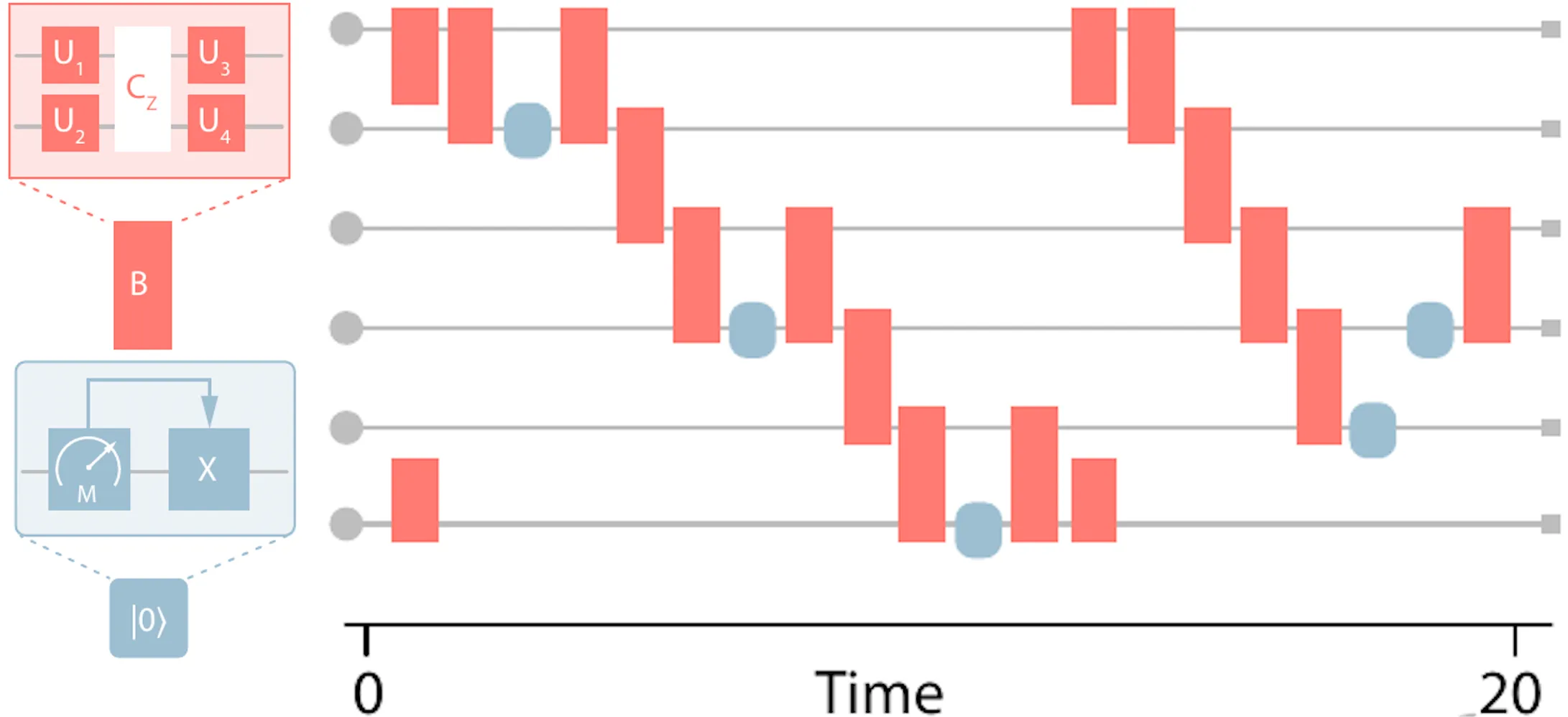
How do quantum many-body systems evolve, and how can we steer them? Quantum circuits give this old question a modern, programmable form: unitary gates, measurements, feedback, and noise become tunable ingredients, and their interplay produces dynamical phenomena with no equilibrium counterpart. We study phase transitions, chaos and its control, state preparation, and quantum error correction in qubit and fermionic circuits. Working with IBM Quantum, we have demonstrated on superconducting processors how adaptive circuits can tame quantum chaos into order.
Topological Quantum Computing

Topological Quantum Computing

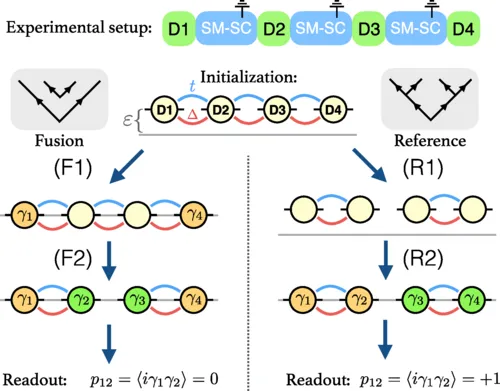
Topological qubits promise to store quantum information in a form that local noise cannot corrupt, but distinguishing a genuine Majorana mode from a disorder-induced impostor is one of the hardest problems in the field. We develop the theory and protocols for the preparation, identification, manipulation, readout, and gate operation of Majorana qubits in semiconductor–superconductor platforms, from nanowires to coupled quantum-dot arrays.

AI for Physics

AI for Physics

Machine learning can recognize quantum phases without human-provided labels and pull faint physical signatures out of noisy, large-scale experimental data — tasks where conventional analysis fails. We develop and apply such methods across topological matter and real experimental datasets.

Physics for AI

Physics for AI

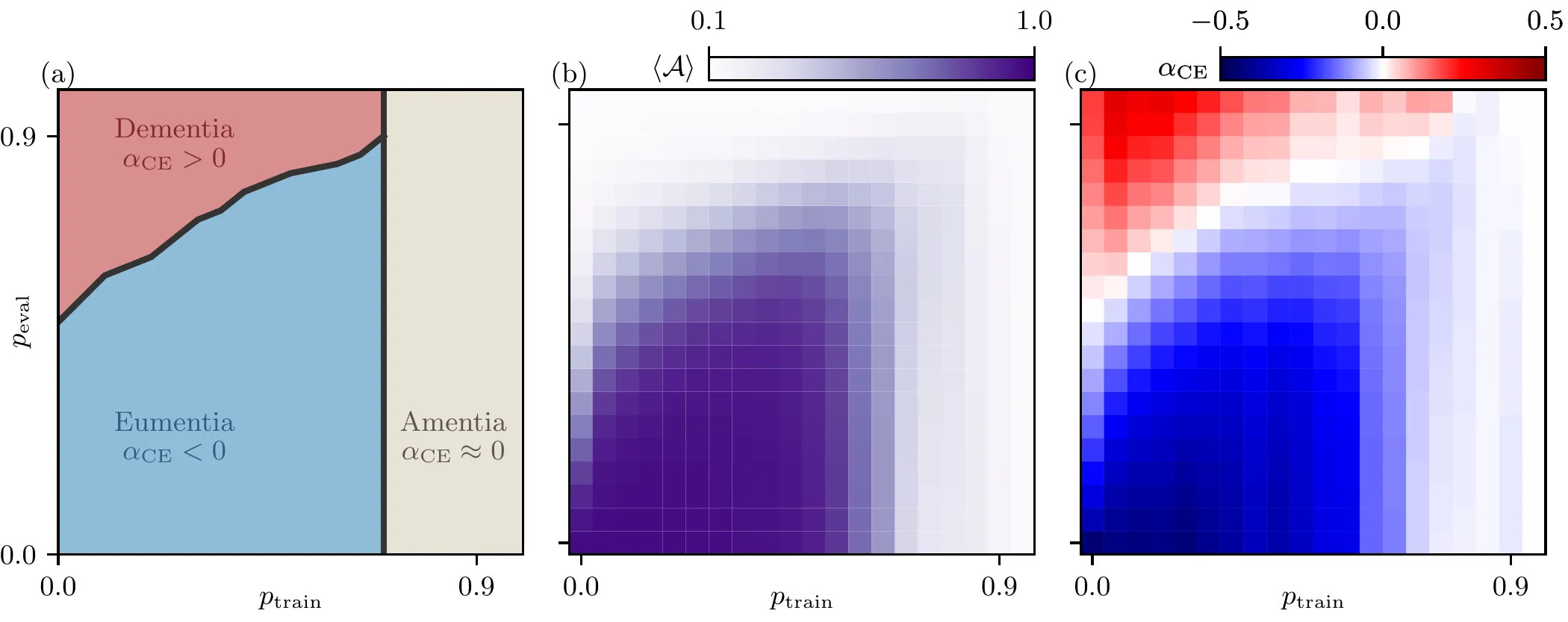
Neural networks are physical systems: statistical mechanics and phase-transition theory explain why they train, generalize, and fail. We showed that pruning a network induces genuine phase transitions.

Large Language Models for Physics

Large Language Models for Physics

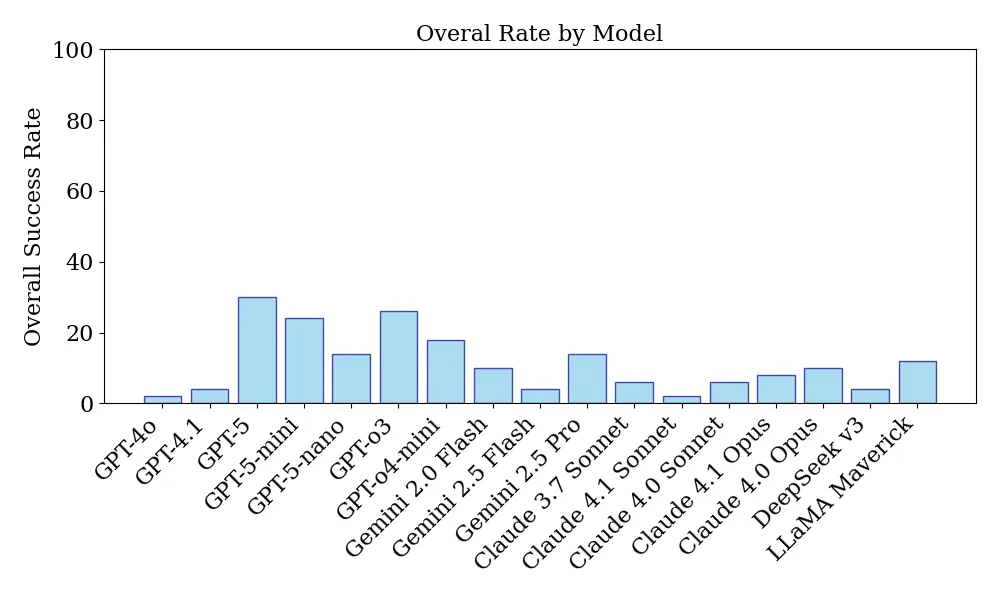
Can frontier AI reason like a theoretical physicist? With Google, we built CMT-Benchmark (ICLR 2026), adopted as an official evaluation benchmark in Google’s Gemini 3 Deep Think release.

Twisted Moiré Materials

Twisted Moiré Materials

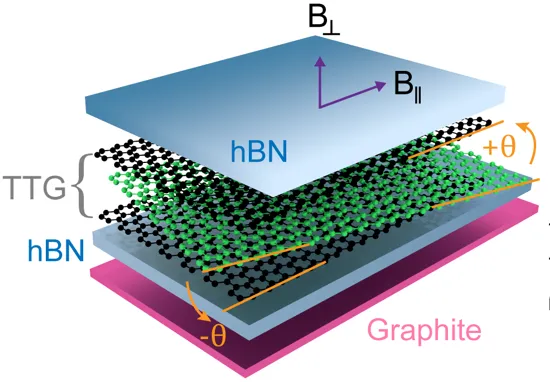
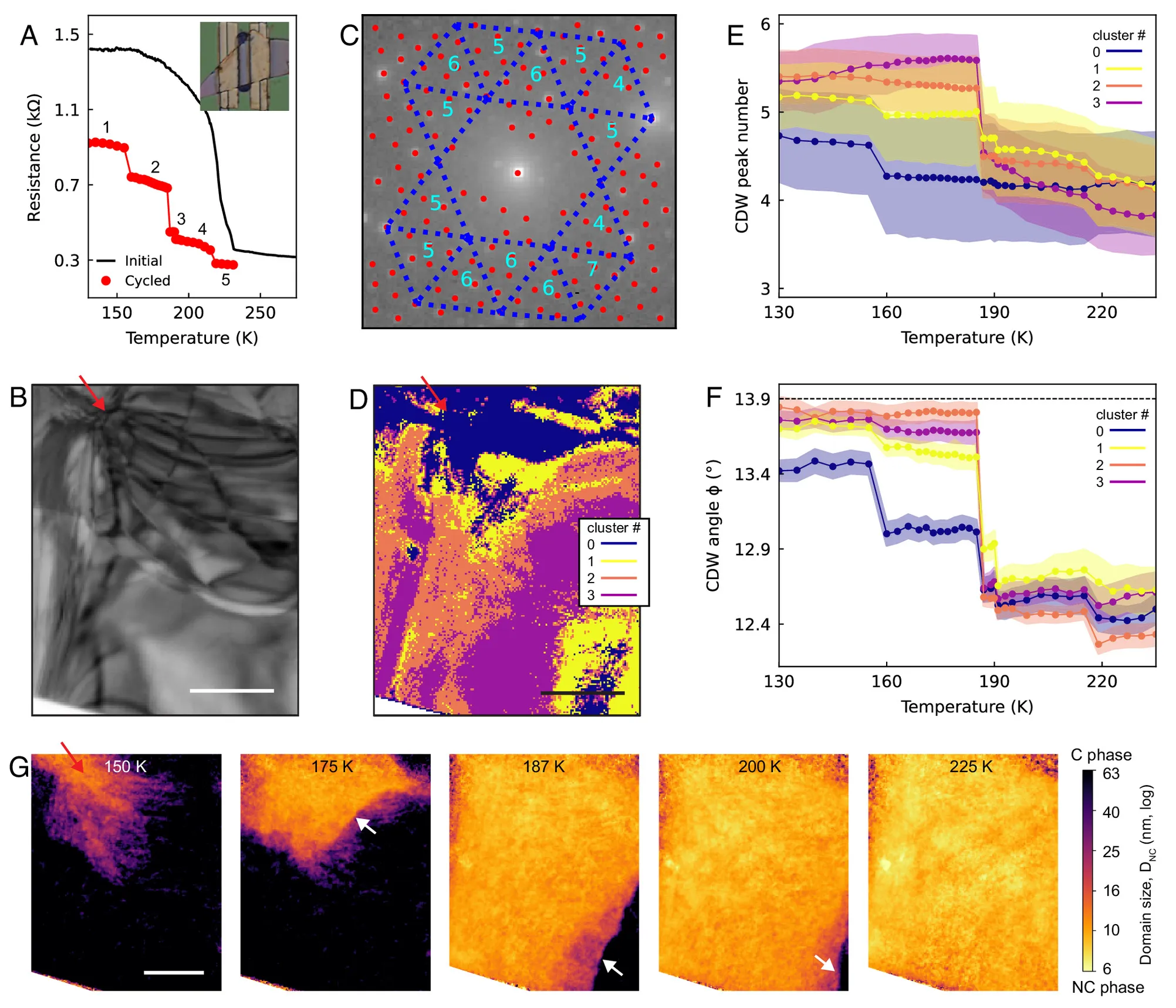
Stack two atomic layers and twist them by a single degree, and phases appear that neither layer supports alone. In twisted graphene and transition-metal dichalcogenides, we study correlated insulators, superconductivity, topological phases, and disorder-driven quantum criticality.